
Marketing Research & Customer Insight | Whitehot Melbourne

Research and Analysis
Combine AI-powered scenarios and patterns with human judgement, through synthetic panels and qualitative and quantitative research.
Our Research and Analysis programs are designed in Melbourne for mid-tier Australian businesses.
Get in touchThe evidence behind every decision.
Market research is being taken apart and rebuilt right now. Not gradually. The foundations are moving. A Harvard Business School study found that large language models can replicate human consumer behaviour well enough to be useful for real product and pricing decisions, not as a novelty, but as a working methodology.¹ Stanford researchers ran AI-generated responses through 476 separate experiments and found strong correlation with actual human results.² These are not fringe claims. This is peer-reviewed work from institutions that do not publish lightly.
The Market Research Society's Delphi Report is equally clear about the limits: synthetic panels cannot replace the human moments that surface what data alone will never reach.³ An AI will never notice that someone's body language contradicts their survey answer. It will never pick up the throwaway comment in a focus group that turns out to be the real insight. The research that changes strategy often comes from the parts that resist automation.
There's a range of reasons why your organisation might need rigorous research and analysis:
- Strategy refresh
- New market entry
- Board paper
- Pricing decision
- Investment committee
- Customer churn
- Competitor move
- Category creation
- Acquisition target
- Annual planning
Do you remember the Belle Jolie lipstick scene from Series 1, Episode 6 of Mad Men, where ad agency Sterling Cooper put a room full of women behind a one-way mirror to test lipstick shades? Every woman tried the product exactly as expected, except Peggy Olson, who refused. She said, "I don't think anyone wants to be one of a hundred colours in a box." That throwaway comment became the campaign. The insight that mattered most came from the person who broke the methodology.
That is not a scene you can simulate with a synthetic panel. And it is the reason we will never treat AI as a replacement for the room.
What we do is track, closely and honestly, which applications are proven and which are still experimental. That distinction matters. It changes week by week. Some of what we could do with frontier models six months ago has already been superseded. Some of what we are testing today will not survive contact with real client data. We are fine with that. That is how serious methodology works.
What we will not do is abandon decades of qualitative and quantitative discipline because a language model can generate ten thousand survey responses in an afternoon. The proven approaches stay. New capabilities earn their place.
Now, here is what excites me about what this opens up for mid-tier businesses specifically. Synthetic respondent panels can compress weeks of recruitment and fieldwork into hours. Brand positioning can be pressure-tested against virtual consumer segments before you commit real budget. Creative concepts can be evaluated by AI-simulated panels before they reach production. Competitive intelligence can be gathered and synthesised by agents that never stop working.
The practical difference: shorter go-to-market cycles because you are not waiting three months for a research phase to finish before you can move. Smaller face-to-face research budgets because the expensive qualitative phases can be supplemented, not replaced, by synthetic data. And more confidence to back your instincts, because you can validate a hunch in hours rather than commissioning a six-figure study to confirm what you already suspected.
This is the part I care about most. Businesses your size have historically been priced out of the research that de-risks product development, service innovation and market entry. The global firms serve enterprise at enterprise prices. The smaller agencies lack the methodological depth. The result is that critical decisions get made on gut feel. These tools change that equation. Not by replacing human judgment, but by making it affordable to inform it properly.
Every insight we produce still gets validated by human researchers who understand how findings land in the real world. AI generates the hypotheses at speed. Humans make the final call.
I am looking for clients who want to explore this with us. Not as a sales pitch, as a genuine collaboration. If you have qualitative or quantitative data that matters to your business and you are curious what frontier AI could do with it, I would welcome that conversation. We can prototype something together with your actual data, at our risk, and see what we learn. That is how we intend to formalise these approaches: by doing the work, not by waiting for someone else to prove it first.

Mad Men, Season 1 Episode 6, "Babylon". The Belle Jolie lipstick focus group. The insight that changed everything came from the person who refused to participate as expected.
- 1.Brand, J., Israeli, A. & Ngwe, D. (2023). "Using GPT for Market Research." Harvard Business School Working Paper 23-062.
- 2.Hewitt, L., Ashokkumar, A., Ghezae, I. & Willer, R. (2026). "Large language models can predict the results of social science experiments." Nature. GPT-4 predictions correlated with actual treatment effects at r = 0.85 across 476 effects from 70 pre-registered experiments.
- 3.Market Research Society Delphi Group (2024). "Using Synthetic Respondents for Market Research." MRS Delphi Report.
What we deliver
Exceptional results, delivered
AI Expert Panels
Simulated panels of leading strategists, creatives and category experts that rapidly pressure-test your brand concepts, positioning and creative work.
Market Forecasting
AI-powered trend analysis, scenario modelling and market prediction that surfaces emerging opportunities and risks with speed and clarity.
Human Validation
Rigorous human oversight and interpretation applied to every AI-generated insight to ensure nuance, cultural relevance and strategic soundness.
Competitive Intelligence
Continuous monitoring, synthesis and analysis of competitor activity, market shifts and new opportunities.
Market Sizing & Opportunity Report
Understand the total addressable market for new products, services, or categories. Understand the competitive landscape, market segments, and realistic growth projections.
Customer Experience Measurement
Full NPS, CSAT and CES program including survey design, deployment, analysis and quarterly trend reporting.
Competitive Intelligence Brief
Monthly executive briefing on competitor movements, pricing changes, product launches, talent signals and marketing activity.
User Research & Testing
Moderated usability testing, journey mapping, behavioural analysis and prioritised recommendations to improve customer experience.
Brand Health Tracker
Quarterly tracking of brand awareness, consideration, preference and equity across target segments, with competitive benchmarking.
Marketing Intelligence Dashboard
Unified view that integrates data from CRM, web analytics, advertising platforms and other sources, delivering clear performance insights and automated reporting.

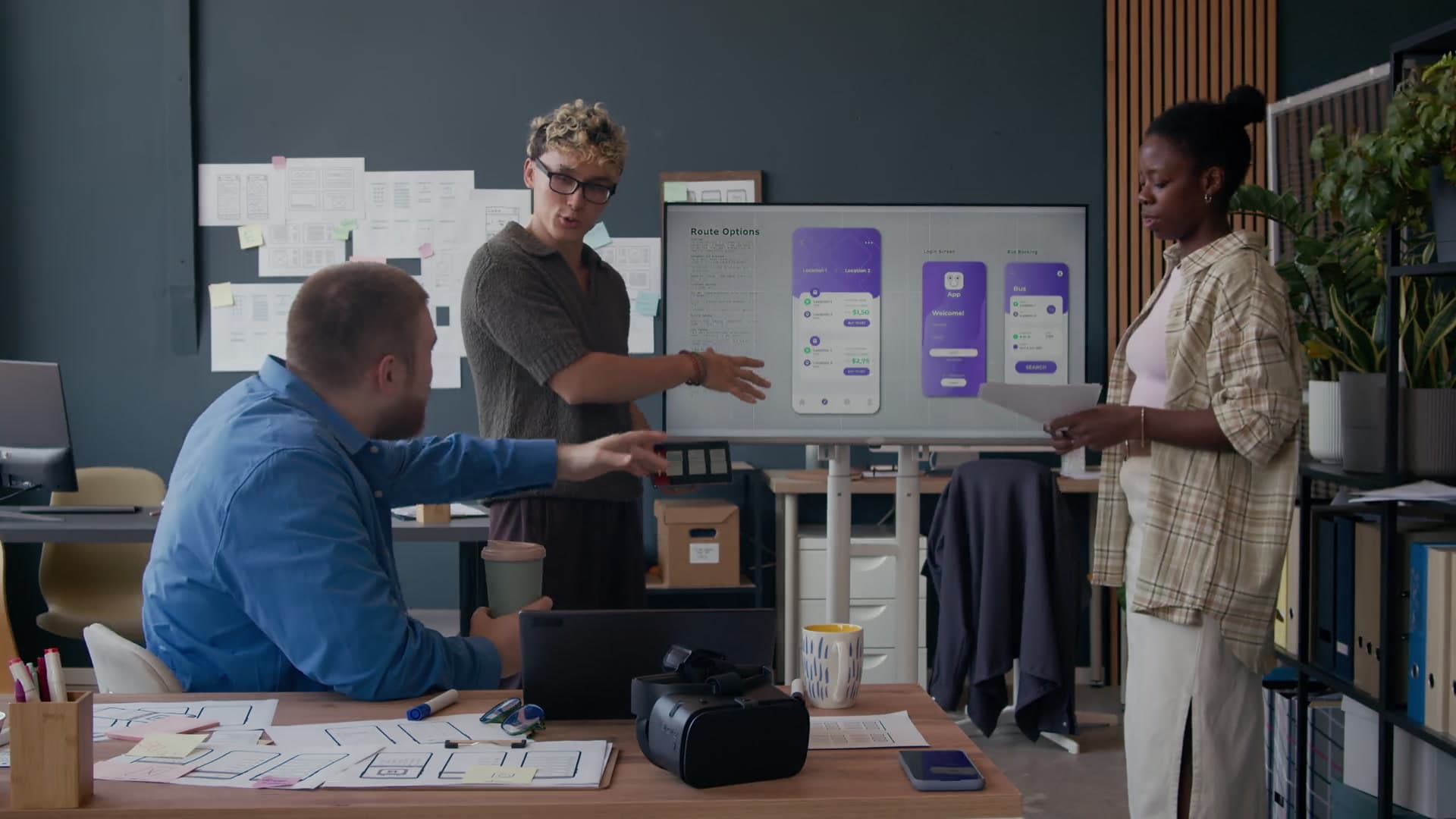

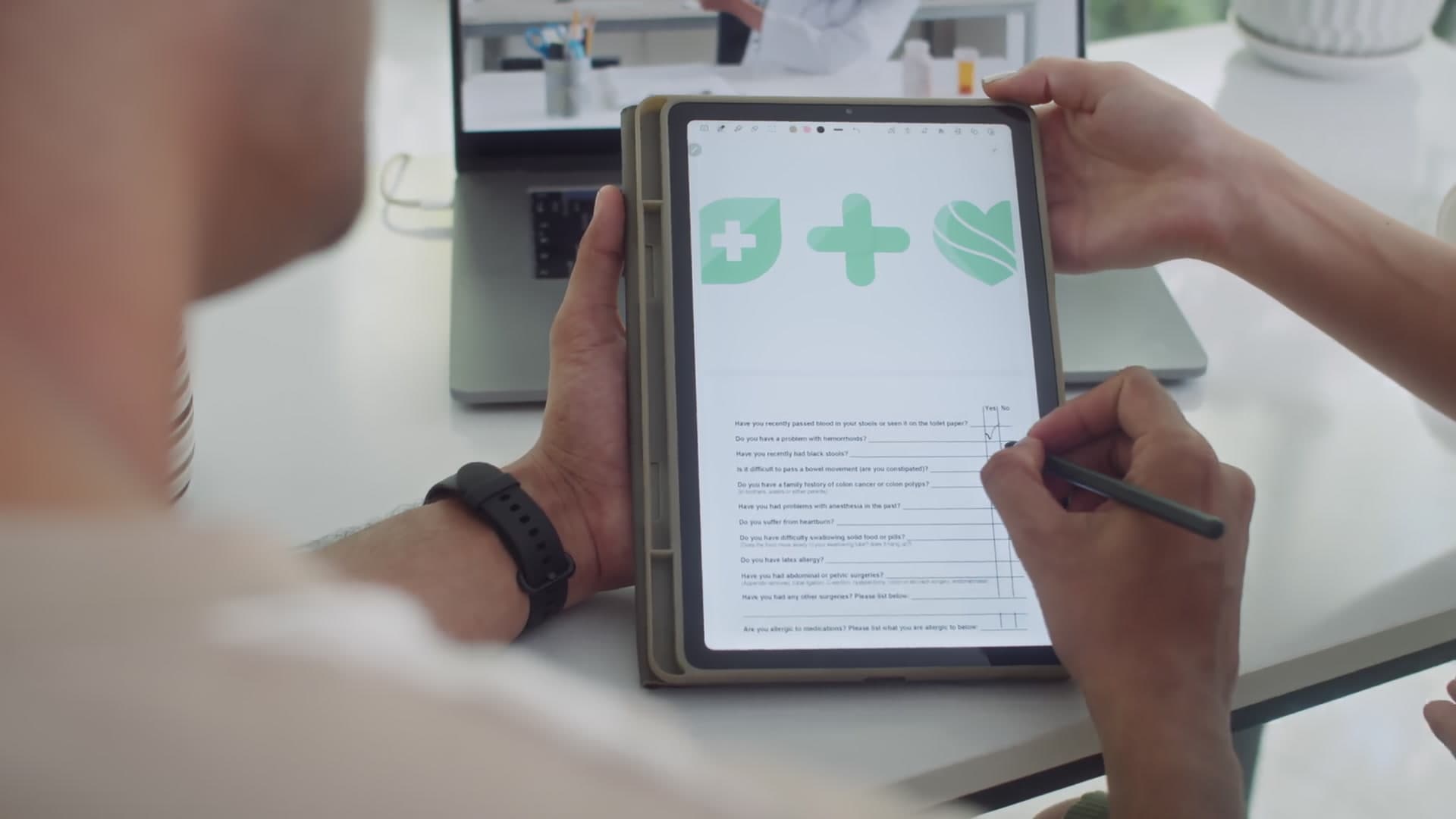

Conversation first.AI finds the patterns.We find what matters
We aim to answer messages and calls straight away, and always within a business day.
Whether you're starting something new, improving what you've already built, working through a problem, or pursuing a new ambition, share what you can. We'll read it and reply personally.
Rather talk it through? Ring us on 0406 292 352.
Or chat to Frankie, our AI agent, about your business goals.