I’ve sat in The Connaught Bar in Mayfair, where Art Deco dark green leather armchairs curl around marble-topped tables, while a martini was assembled with the gravity of a watchmaker setting a balance wheel: every motion deliberate, the trolley arriving like a verdict, the whole thing so composed it felt less like a drink than a small act of English statecraft. Months later I was in Palermo, Buenos Aires, at Tres Monos, where the energy is the opposite in every measurable way: loud, scuffed, gloriously unserious, a bar that looks like it would lose a health inspection and win your whole night. Both are on the lists. Both are, by any honest reckoning, among the best in the world. And they share almost nothing you could photograph.
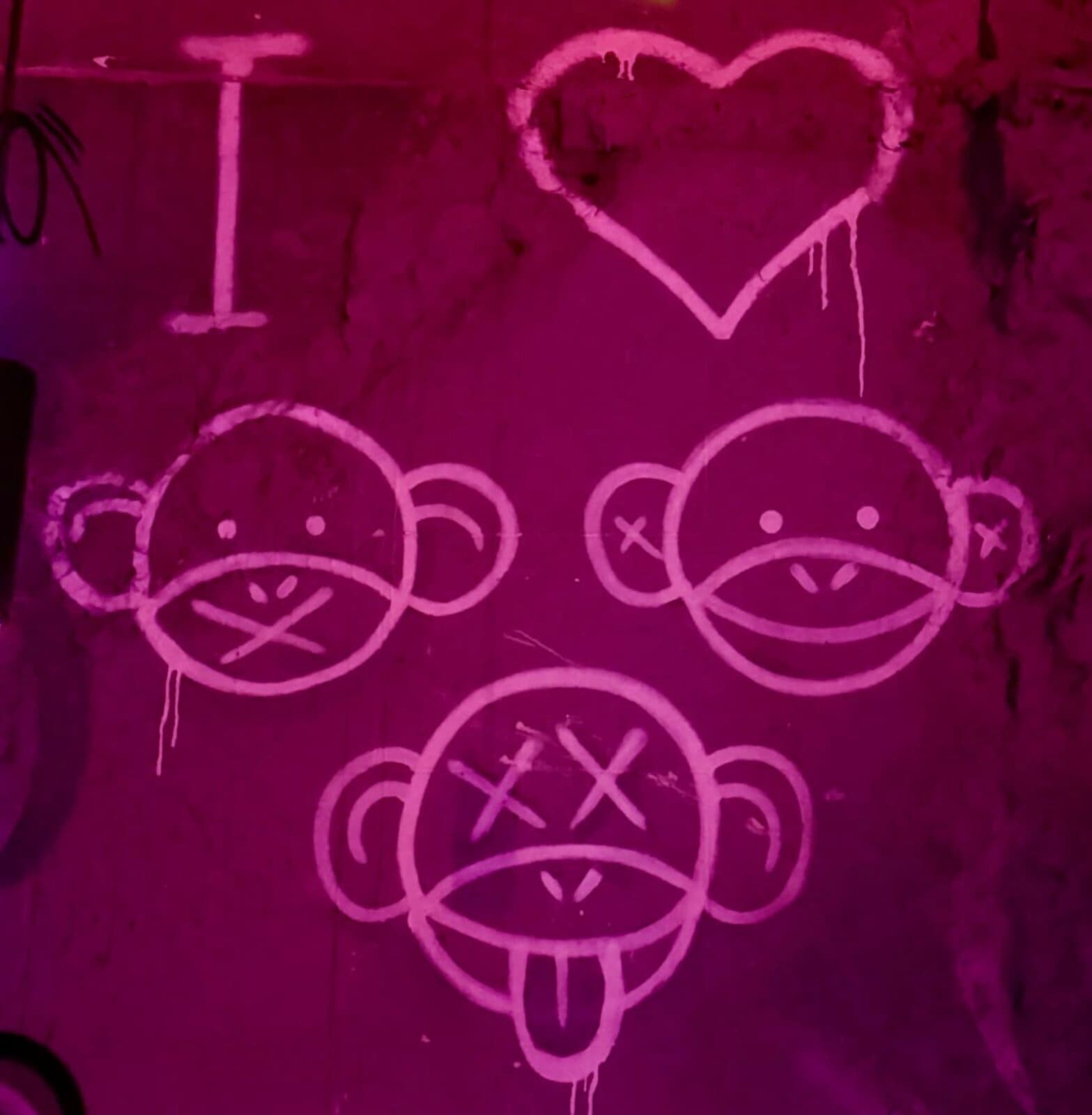
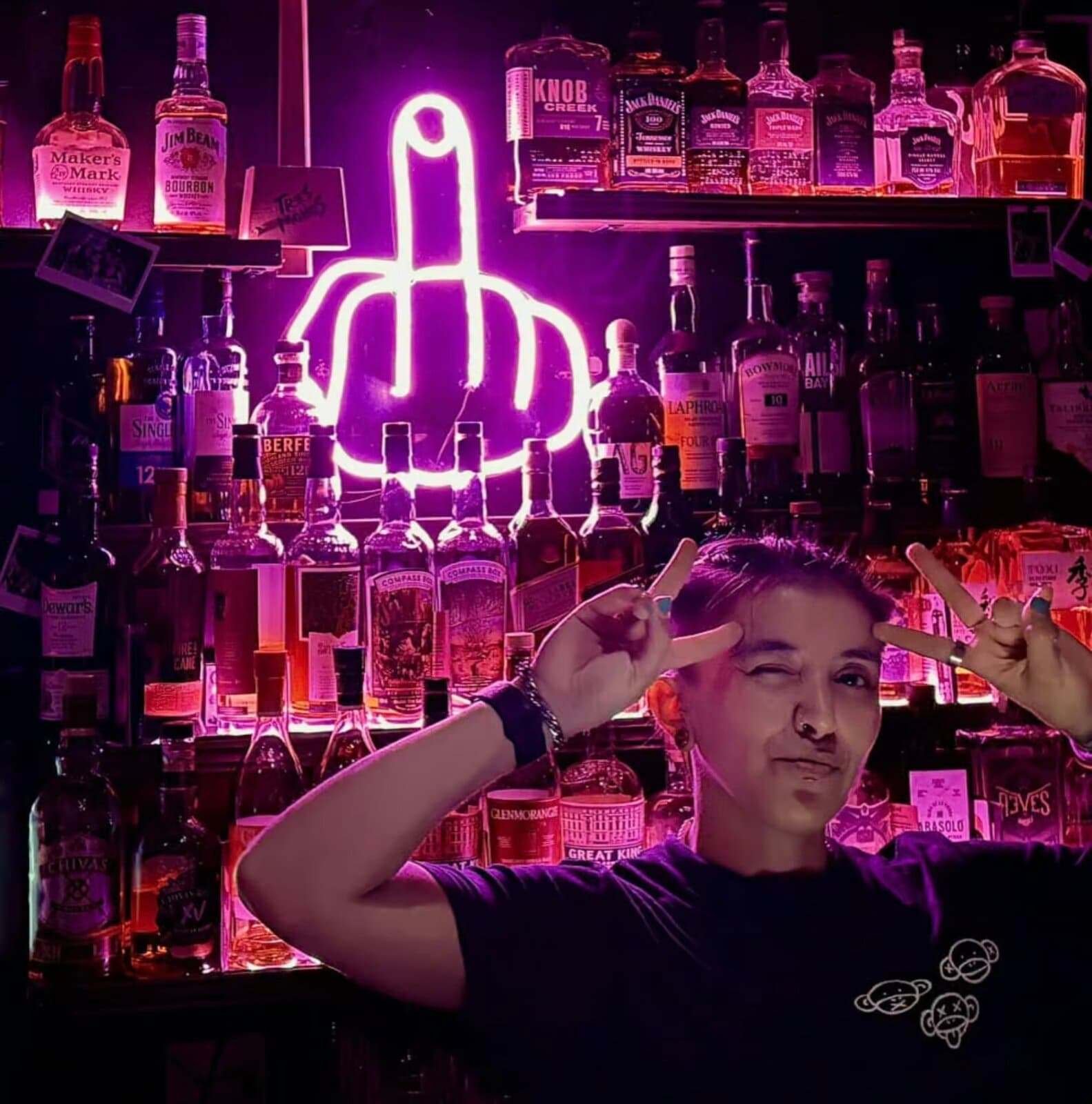
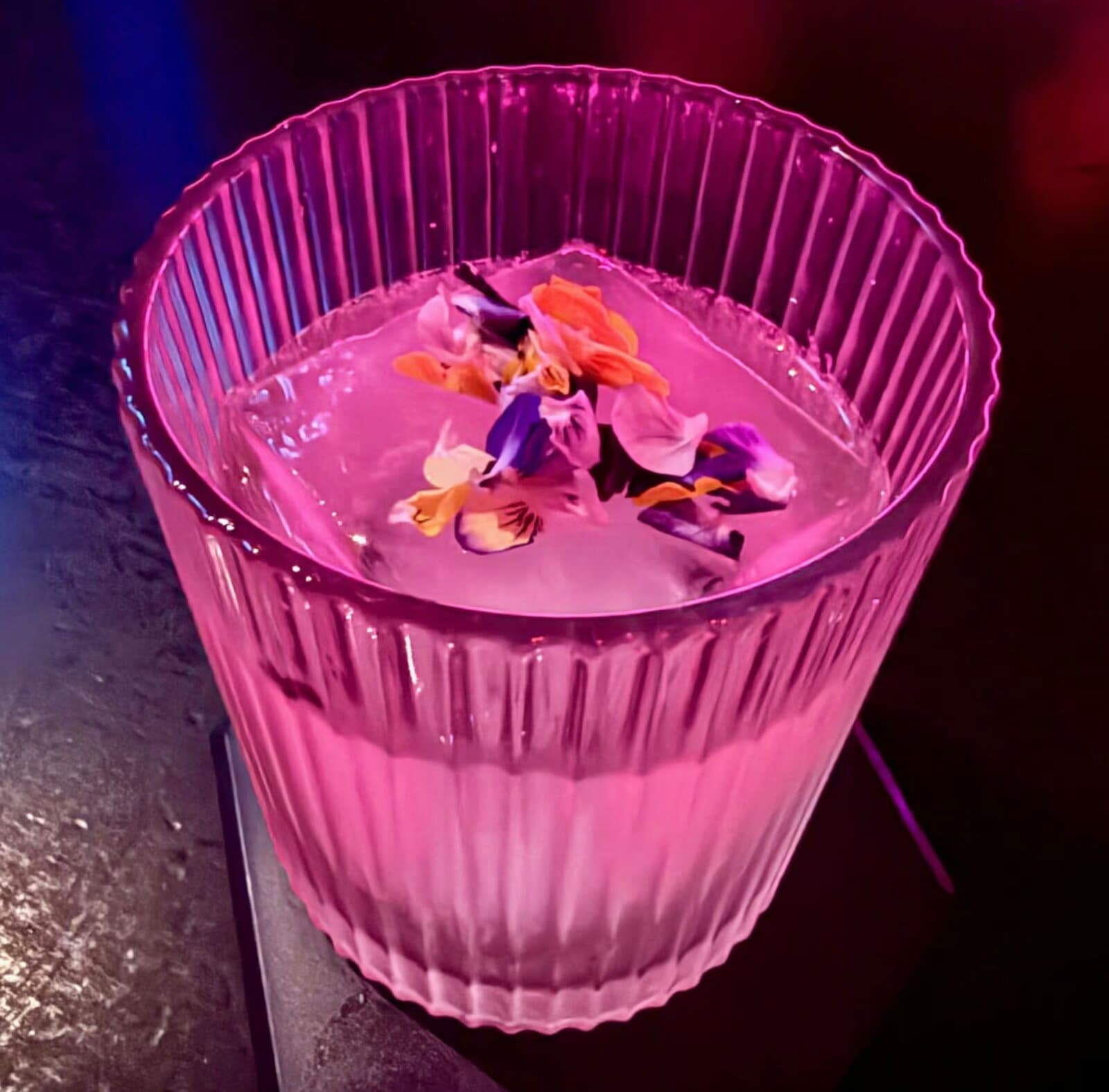
This is the problem with great customer experience, and it’s the problem nobody selling it wants to admit. The best-of-the-best all do it differently. The refinement of one is the antithesis of the playfulness of another. The drinkware that is the entire point at one bar would be an affectation at the next. If you went looking for the formula by cataloguing what these places have in common at the surface (the lighting, the music, the glassware, the script), you would come away with nothing, because there is nothing there. The magic is specific. It is bound to the room and the people in it. It does not travel.
Which is exactly why most attempts to reproduce it fail, and why the more interesting question isn’t what does the great experience look like but what is actually being built underneath it. Because something is. The world’s best bars are not winging it five nights a week. They are not relying on a charismatic founder to be in the room. They have built something repeatable. And what they’ve made repeatable is not the delight. It’s the conditions that let the delight happen.
What they actually share.
Spend any time talking to the people who run these rooms and the same words surface, none of them glamorous: recruitment, standards, variation, experimentation, collaboration. The unglamorous machine. They hire for temperament and train relentlessly. They hold a standard that is enforced when the founder is asleep. They build in deliberate variation so the room never calcifies into a museum of itself. They run experiments (on the menu, on the format, on the welcome) and they steal openly from each other, collaborating across cities and cribbing technique from rivals without embarrassment, because the craft improves faster when it’s shared.
None of that is the experience. All of it is the scaffolding for the experience. The distinction matters more than anything else in this piece, so let me put it plainly: the best operators do not scale delight. Delight doesn’t scale: it’s a live performance, and it dies the moment you try to standardise it into a procedure. What they scale is the machine that reliably produces the conditions in which a human being can improvise something delightful on top. Get that backwards and you get a chain: consistent, competent, and dead behind the eyes.
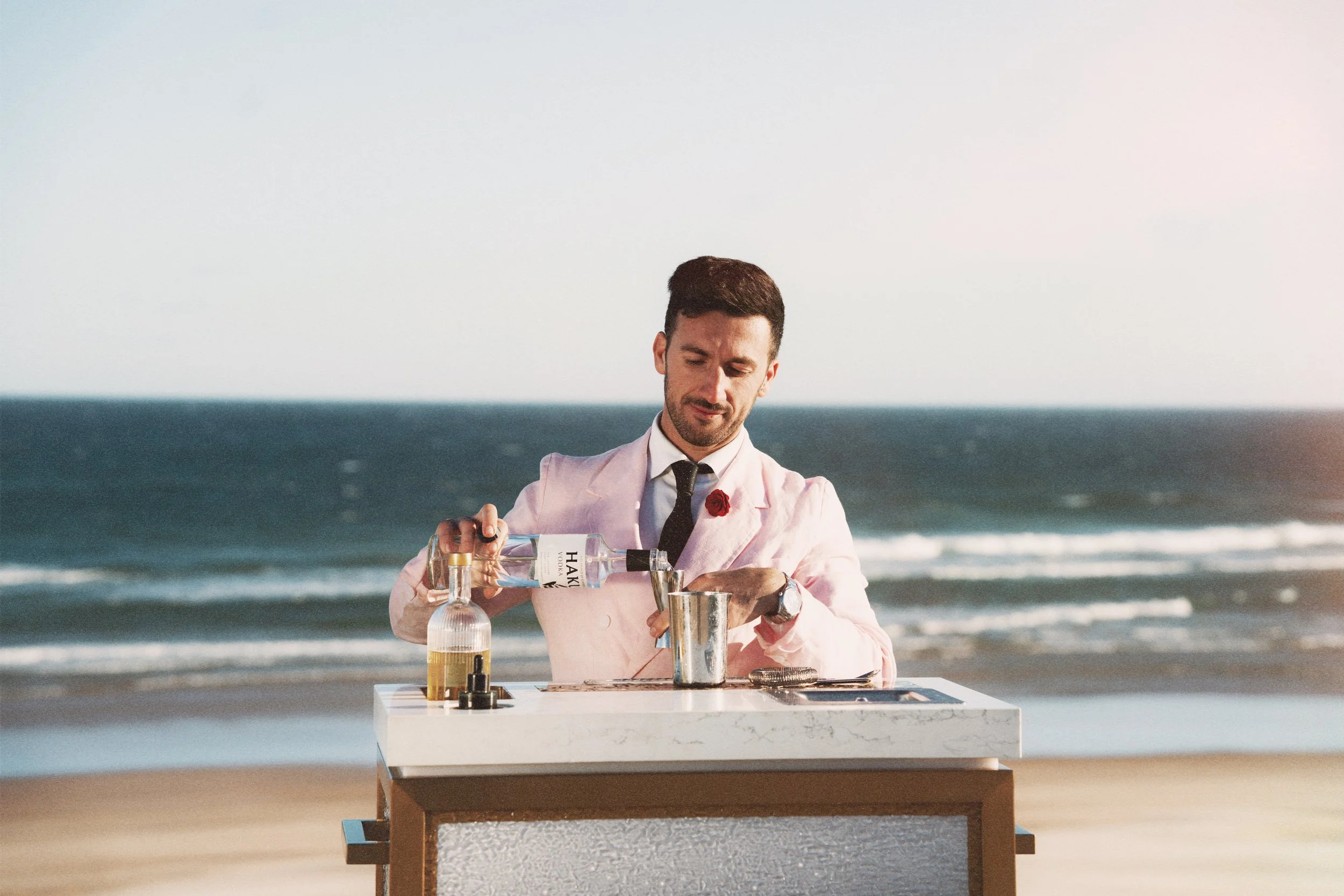
Maybe Sammy in Sydney is the cleanest illustration I’ve found of the machine done well. It sits in The Rocks, the bartenders in pastel pink jackets and ties with a bloom at the lapel, a Rat Pack-meets-Palm Springs confection of marble and gold lamps, and it has been on the World’s 50 Best Bars list for years running. What’s instructive is not the aesthetic (that’s the photographable part, the part that doesn’t travel) but the apparatus behind it. Their current menu, Showtime, gives each cocktail its own custom-shot trailer, written and directed by the team, restaging cult film scenes around the drink. There is a martini series, Our Planet, narrated through headphones by an AI-generated David Attenborough so faithful you stop questioning it, walking you through an Ocean, a Forest, and a Desert as though each drink were a landscape from the documentary it’s named for. The bar chooses its words with care: the series is billed as “like a trilogy narrated by Attenborough himself,” credited to its own team and never to the man. Faithful enough, even so, that when my partner asked the bartenders point-blank whether it was really David Attenborough, they only smiled. It is theatre, and it is meticulous, and crucially the team has been open about building it for two audiences at once: the guest in the room who simply wants a good night, and the global community of bartenders watching to see what Maybe Sammy does next. That second audience is the tell. They are not just running a bar. They are running a studio that happens to operate a bar: a production system designed to generate variation, signal craft, and feed an experimentation loop. The drink is the output. The studio is the asset.
Hold onto that synthetic Attenborough. It’s the hinge of this whole piece, and we’ll come back to it.
What the theory gets right, and where the consultants get it wrong.
There is a respectable literature here, and it’s worth knowing because it tells you both what to do and how it tends to fail in practice.
Pine and Gilmore named the thing in The Experience Economy: that staging an experience is a distinct economic offering, more than a service, and that the work is theatrical. You are directing a stage, not processing a transaction. Will Guidara, who took Eleven Madison Park to the top of the world, wrote the operator’s manual in Unreasonable Hospitality: the argument that the experience is made in the deliberate, generous, slightly mad gestures that nobody asked for. Parasuraman, Zeithaml and Berry, the service-quality researchers, gave us the gap model: the unglamorous engineering truth that satisfaction is the distance between what a guest expected and what they perceived they got. Which is to say hype is not free; every promise you make raises the bar you’ll be judged against. And Heskett’s service-profit chain made the causal claim that runs underneath all of it: that how you treat and select your staff is not an HR footnote but the upstream cause of the experience downstream. It is, for what it’s worth, one of the more empirically tested ideas in service management, built on data from real service firms rather than asserted from a stage. Recruitment, again. The machine.
But the most useful idea for understanding failure comes from Frances Frei and Anne Morriss in Uncommon Service, and it’s the one consultants reliably ignore: you have to be bad at something to be great at something. Excellence requires a trade-off. The great bar is not trying to be all things (Tres Monos is not trying to be refined, the Connaught is not trying to be louche), and the discipline of what they refuse to do is precisely what funds what they’re brilliant at.
Here is where the advice goes wrong. A firm gets engaged to “elevate the customer experience.” It maps the journey. It produces a deck: touchpoints, personas, a maturity model, a heatmap of pain points. The analysis is genuine and often good. And then the deck becomes the deliverable. The room never changes. Nobody is hired differently, no standard is enforced differently, no trade-off is actually made, because making a trade-off means being deliberately worse at something and that’s a hard conversation to put in a steering-committee slide. So the client buys a diagnosis of the conditions and never builds the machine that would change them. Analysis is supposed to inform the thing you make. Too often it is the thing you make. That’s the failure mode, and it’s why so much CX work produces beautiful documents and identical experiences.
The cold night.
Now the uncomfortable part, because I want to be honest about the limits of any machine.
I had dinner at Eleven Madison Park (Guidara’s old room, the one that literally wrote the book) on Super Bowl Sunday, a private dining experience with two founders of an a16z portfolio company on the eve of a major product launch. Minus sixteen centigrade outside, gusting, the kind of New York cold that gets into the building. By every procedural measure the night was executed. The food was precise, the service correct, the choreography on time. And it still felt cavernous and cold, because the conditions had broken in a way no run-sheet anticipated: a flawlessly decorated dining room on the one night half of America is home on a sofa, a wind that followed every guest through the door, an energy that wouldn’t lift no matter how immaculate the plating.
This is the proof of the thesis, not the exception to it. Peak is not the game. Anyone can be great on a full Friday with a tailwind. The machine exists for the bad nights. What it buys you on a bad night is not a guarantee but a floor, plus a roomful of people trained well enough to improvise the room back to life when the script alone won’t. What you cannot do is procedure your way out of a cavernous cold evening. A script makes a cold night colder. A well-selected human, working on top of a sound machine, is the only thing that has ever saved one. Even the best have off nights. The difference is whether the off night bottoms out at “fine” or at “never again.”
So how do you scale any of this online?
A bar has an unfair advantage: four walls, a finite number of seats, warm bodies, and the full bandwidth of human presence. Strip that away (put a screen between you and the person, remove smell and temperature and eye contact and the bartender’s read of your mood) and the question becomes brutal. How do you make customer experience recur, reliably, through a medium that has thrown away most of the channels the bars rely on?
The most convincing answer I know isn’t a platform; it’s the person who built one: Mark Ritson. Set aside what he teaches; watch how, and watch the sequence. Long before he built anything that scaled, he earned teaching awards inside traditional business schools: the unglamorous credibility substrate, years of it, the equivalent of a bartender’s thousand shifts. Only then did he build the production system on top, the MiniMBA, with high production values, a signature register of delivery you’d recognise blind, snippets engineered to travel, and a point of view sharp enough to be worth forwarding. He took a craft that had only ever existed in a room (teaching, the most presence-dependent act there is) and made it recur through a screen without going cold. The graduates rate it accordingly: the MiniMBA posts a world-leading Net Promoter Score of +79, the rare number that says the warmth survived the screen. That is the exact move the bars make, performed in the one medium that should have made it impossible. The credibility is the machine; the performance runs on top; the conditions are engineered so the human thing can land at scale.
Notice what he did not do. He did not try to replace the human with the system. He used the system to carry the human further than a room ever could.
Voice agents, and the same lesson at the frontier.
Which brings us back, finally, to the Attenborough martini: a synthetic voice, doing emotional and theatrical work, standing in for a presence that isn’t in the room. Five years ago that was a bespoke production. Today it’s close to a commodity, and the companies turning it into one are running headlong into precisely the lesson the bars have known for a century.
There’s a land-grab on right now in voice. ElevenLabs has spent the last year turning itself from a text-to-speech novelty into the “audio layer”: expressive synthesis that carries emotion across seventy-plus languages, a proprietary turn-taking model that handles the human mess of pauses and interruptions, retrieval so an agent actually knows the domain, and guardrails and versioning so the thing is safe to put in production. Happy Robot has gone the other way, vertical and deep, fine-tuning on annotated recordings of real freight-logistics calls until the agent understands the specific nuance of a check call or a rate negotiation, and, tellingly, leaning into the disfluencies, the small hesitations and imperfections, because a voice that’s too clean reads as a robot and a voice that stumbles a little reads as a colleague. They put a forward-deployed engineer onsite with each customer to tune the workflows to the actual room. There are many, many others, and they are all, whether they’d say it this way or not, learning the same thing.
And the thing they’re learning is the thing this whole piece has been about. A great voice is the drinkware. It is the photographable, demoable, surface-level part: the part that wins the pitch and loses the customer, because the customer doesn’t churn over timbre. The winners are not the ones with the most beautiful voice. They’re the ones building the machine: the turn-taking that knows when to shut up, the interruption handling that doesn’t talk over a frustrated human, the domain knowledge that means the agent has actually done the thousand shifts, the guardrails that hold the standard when no founder is watching, and the human-in-the-loop engineer who is, functionally, the head bartender on the floor, reading the room and adjusting the conditions in real time. Happy Robot leaning into the stumble is the bartender’s improvisation. The forward-deployed engineer is the floor manager on the cold night. The losers shipped a voice and called it an experience, which is the digital equivalent of buying the glassware and forgetting to hire anyone who can pour.
The expectation gap is unforgiving here, too. A voice that sounds that human raises the bar it will be judged against. Parasuraman’s point, restated for machines. Sound like a person and you’ll be held to a person’s standard, and the first time you can’t handle an interruption or you hallucinate a fact, the gap between what you promised and what you delivered swallows the whole interaction. The better the voice, the higher the floor it has to clear.
The thing that was never copyable.
So: the world’s greatest customer experience cannot be copied, and everyone who tries to copy it is making the same category error. They’re trying to bottle the output (the refinement, the playfulness, the gesture, the voice) when the output was never the thing being built. What’s being built, in every example here, is the same unglamorous machine: select the right people, hold the standard, engineer deliberate variation, run the experiment, steal the technique, build the conditions. And then put something irreducibly human on top, and protect it ferociously on the nights the conditions turn cold.
That’s the formula, and the cruel joke is that it is a formula, just not the one anybody wants, because it can’t be cut into a reel and humblebragged across Instagram and TikTok. It’s true in a marble room in The Rocks and it’s true on Ritson’s screen and it’s true inside a voice agent fielding a logistics call at three in the morning. The medium changes what the machine is made of. It does not change that you need one, or that the magic only ever lives in the human performance you’ve worked very hard to make possible.
Get the machine right. Put a person on top. Hold the floor when it’s cold. The rest is drinkware.